
Mujtaba Bilal Ahmed
Founder & CEO
Affordable diamond quantum sensors for research and industry, and hands-on STEM education for the next generation of scientists.
Designed at NUST PNEC. First batch in assembly.
Built for clean readings at a classroom price.
Grounded in Stegemann et al. (Eur. J. Phys., 2023) — independently validated, not just internally tested.
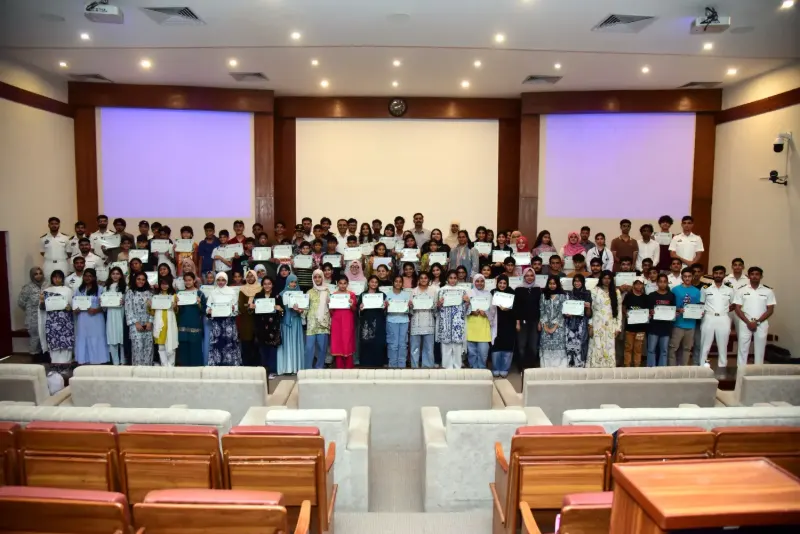
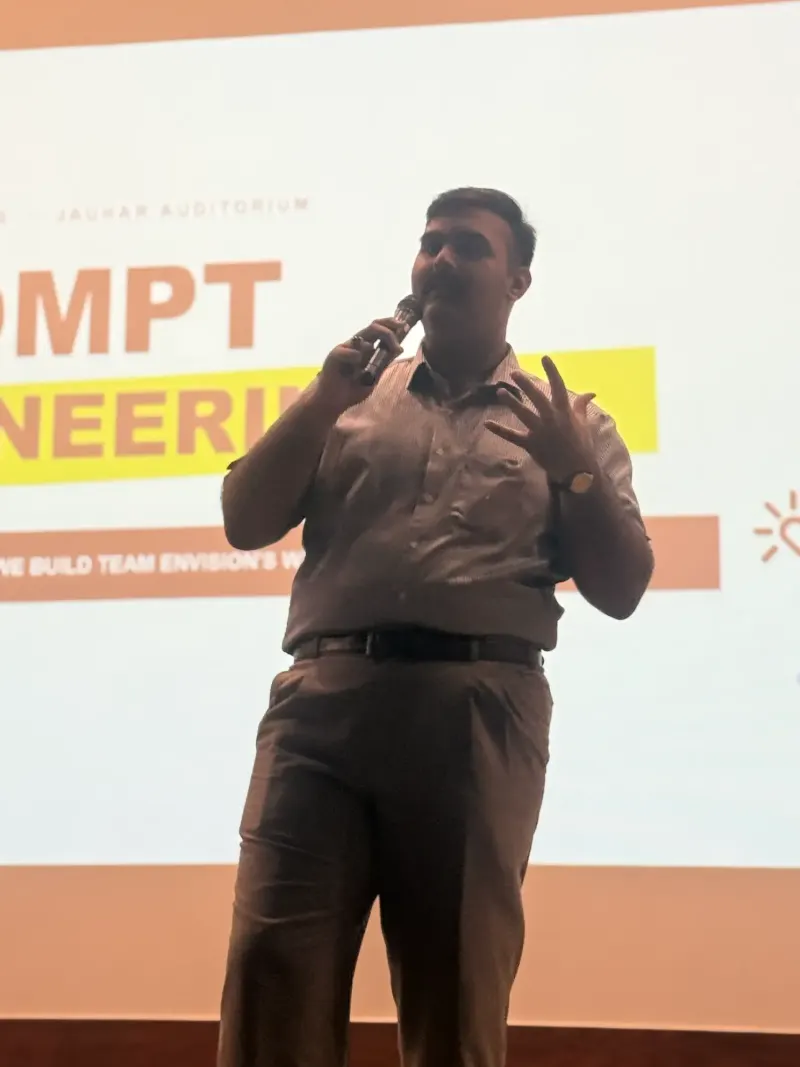
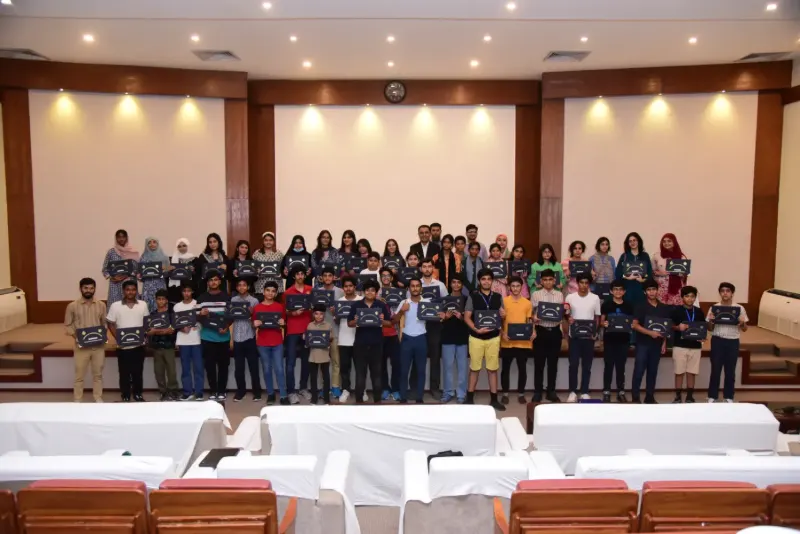
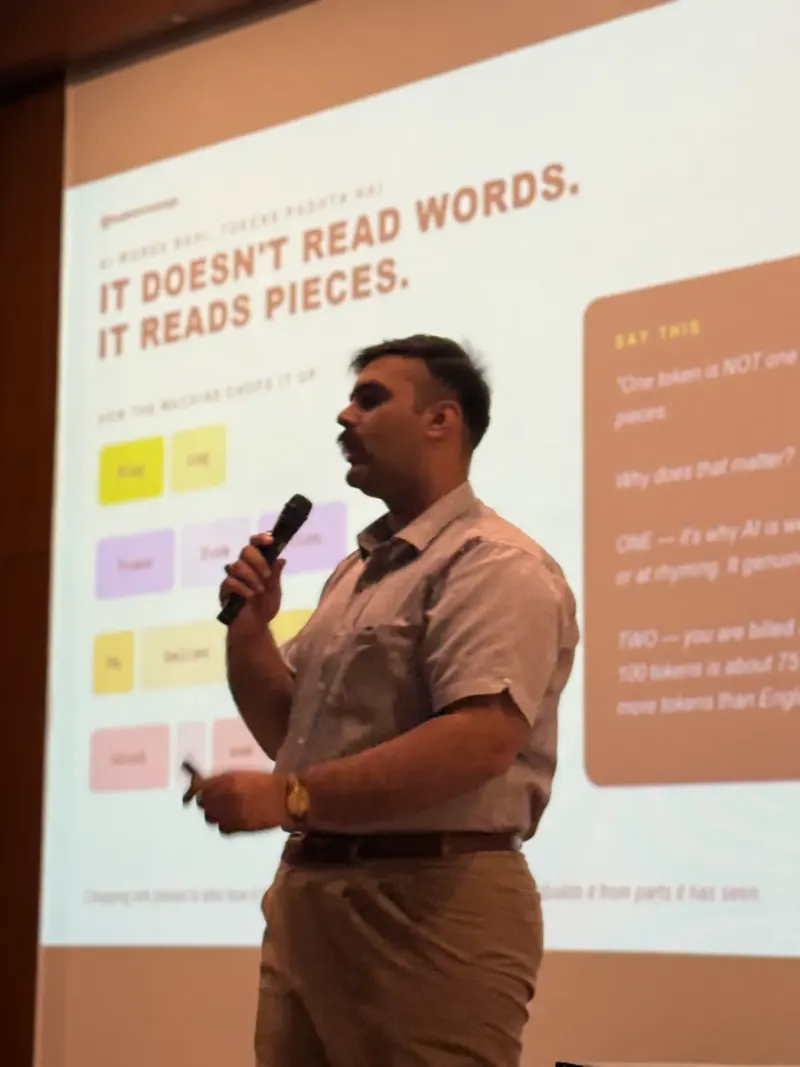
Our engineers teach what they build. Students aged 10 to 30 wire circuits, program robots, test electric-vehicle batteries and work their way up to real quantum experiments. In summer 2026 we ran two camps for 250+ students from across Karachi.
I thought robotics would be boring and way too hard but by day 3 my robot was actually following a line. My little brother wants to come next year now.
The trainers didn't just read slides. One of them sat with our group till our circuit finally worked. Best part of my summer honestly.
We made a buzzer game and I beat my friend 3 times. The teachers were really nice and never made us feel dumb for asking stuff.
Finally someone explained what a qubit is without making it sound like magic. The lab vibe was so chill too.
Cold auditorium, good snacks, and we got to touch real EV battery stuff. 10/10 would do again.
I learned Arduino in like two days. Now I'm making a plant watering thing at home lol.
The marketing day was unexpected but so useful. We pitched our project in front of everyone and by the end I wasn't even nervous.
My favourite part was when our robot crashed into the wall and everyone laughed, even sir.
First-year engineering student here. I learned more practical stuff in two weeks than in a whole semester. The trainers actually build this stuff themselves.
Group projects were fun because they mixed us with people from other schools. Made two new friends.
The AI session showed how prompts actually work. I use it so much better for studying now.
Everything was hands-on. No boring lectures, we were building something every single day.
I was the youngest in my group but everyone helped me. I made a light that turns on by itself when it gets dark!
The diamond sensor demo was crazy. Didn't know you could measure magnets with light.
The trainers were super friendly and answered all my questions, even the weird ones.
Good mix of fun and serious stuff. The EV powertrain day made me want to join a race team at uni.
We got certificates at the end and my ammi framed mine. Yes it's on the wall.
Soldering was scary at first but sir showed us how to do it safely. Now I can fix my own RC car.
Loved that girls were treated exactly the same in the robotics lab. Nobody said this isn't for you.
Two weeks went by way too fast. I wish it was a whole month.
The carbon audit activity was eye-opening. We worked out our school's electricity use and it was a LOT.
Really well organised. Timings were on point and the trainers always came prepared.
Best day was making a robot dance to music. Mine was the best dancer obviously.
Not just theory, they let us break things and figure out why. That's how you actually learn.






An imported diamond quantum magnetometer starts above €10,000, then ships and gets serviced from Europe. So most universities here teach quantum sensing on a whiteboard, and students meet the real thing only in a paper.
The country is investing in quantum. The hardware still comes from abroad.
The physics of the world's top labs, readable by a 14-year-old.
Commercial systems pair a lab laser with a bench signal generator and a lock-in amplifier. We replaced the bench with a palm-sized RF board and a microcontroller that does the lock-in in software. The quantum part stays the same. The bill doesn't.
Illustrative · built at a fraction of an imported system's cost · prices published after first-batch validation
One optical and microwave platform, built up from a school kit to an industrial sensor.
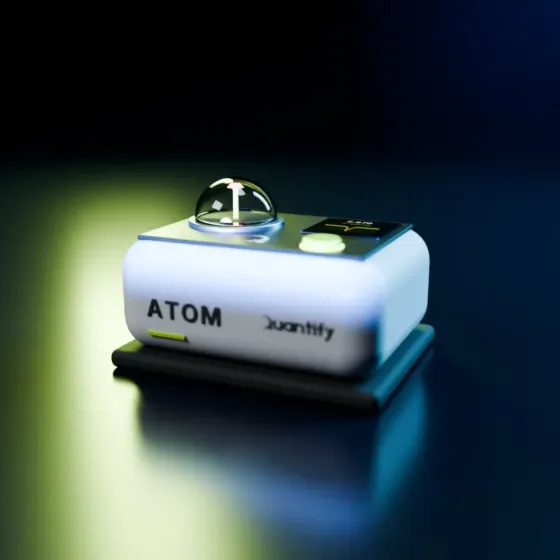
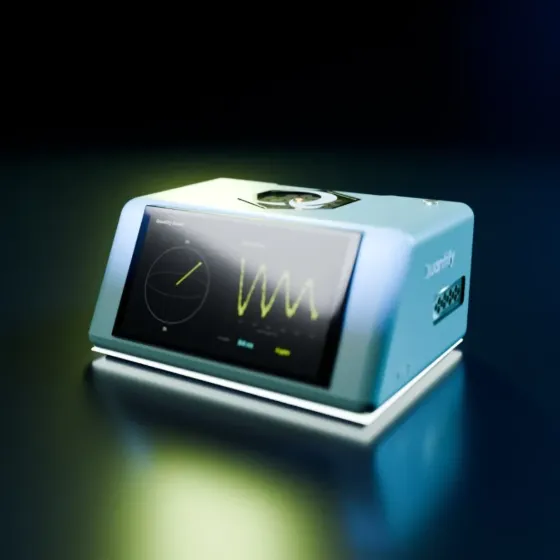
A STEM kit that teaches the quantum readout with everyday sensors. No laser.
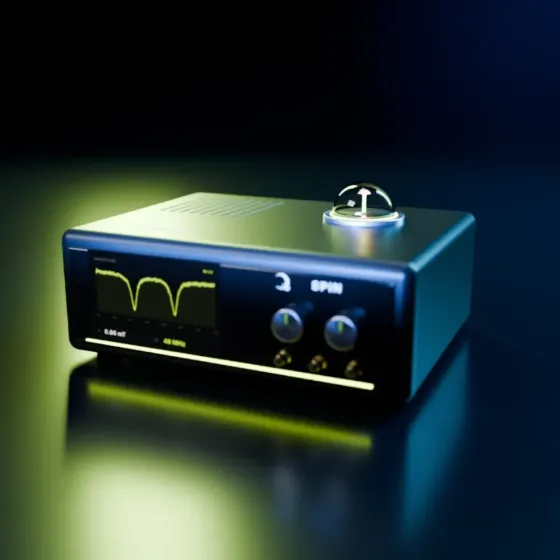
A real diamond quantum sensor a class can operate in one lesson.
A full CW-ODMR experiment on one bench, with a lab manual.
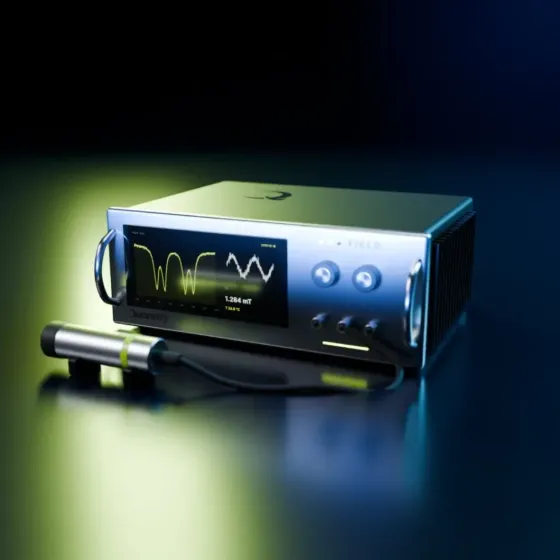
Pulsed magnetometry and spin-relaxation measurements, with an open Python API.
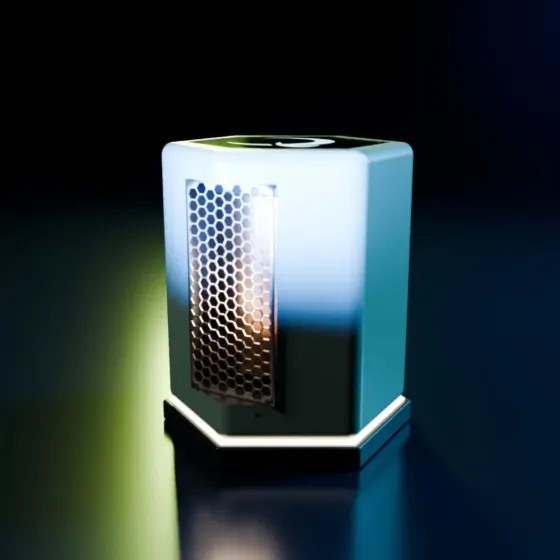
A two-qubit teaching computer built on NMR.
A room-temperature diamond qubit that shares SPIN's hardware.
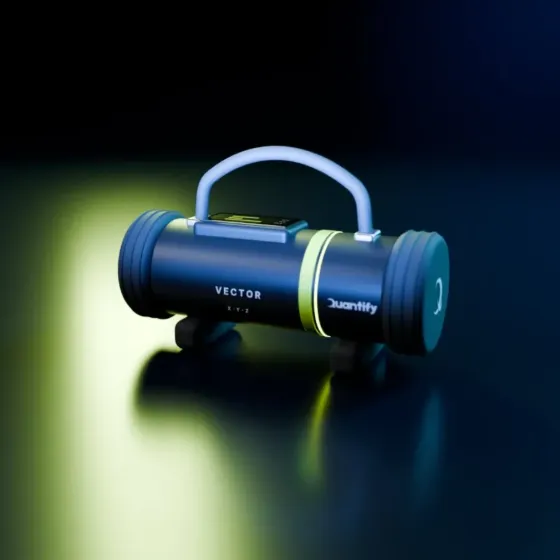
A diamond current sensor, tested first on electric-vehicle batteries.
A diamond sensor reads a battery's current and temperature at the same time. Published research shows diamond sensors estimating battery charge to within 1%. We will test VECTOR on Team Envision's 48 V race-car battery and publish the results, win or lose.
Mapping their faint fields without touching the body.
Reading Earth's magnetic fingerprint.
Imaging currents inside a microchip.
Finding what is buried from a magnetic map.
Measuring magnetism at the scale of a few atoms.
Tracking planetary fields from orbit.
These are uses of NV sensing worldwide, not claims about Quantify's current products.
Shine the laser. Sweep the microwaves. Use one quantum sensor to find a buried meteorite, a faulty chip, a beating heart, an ancient kiln, a failing battery cell and a signal in the brain.
Design complete. Parts on order. First spectrum next.
Quantum sensors built on diamond, and hands-on STEM programmes that use them. Both are designed in Karachi.
Sensors come first. They use quantum physics to measure. Two small teaching computers, QC-1 and QC-2, are in design.
A nitrogen atom next to a missing carbon atom inside diamond. Its glow changes with the magnetic field around it, so it works as a sensor.
ATOM 1 uses no laser and runs on batteries. ATOM 2 and SPIN keep their lasers inside a closed case and are meant for supervised classrooms and university labs.
Yes. Camps and school workshops for ages 10 to 30, covering electronics, robotics, AI, EVs and quantum basics.
Yes, anywhere in Karachi. Other cities on request.
We are building the first batch. Join the early-access list and we will write when units are ready.
NUST PNEC, Karachi. Incubated at NICAT.
SCHOOLS · PARENTS · UNIVERSITIES · INDUSTRY · INVESTORS